
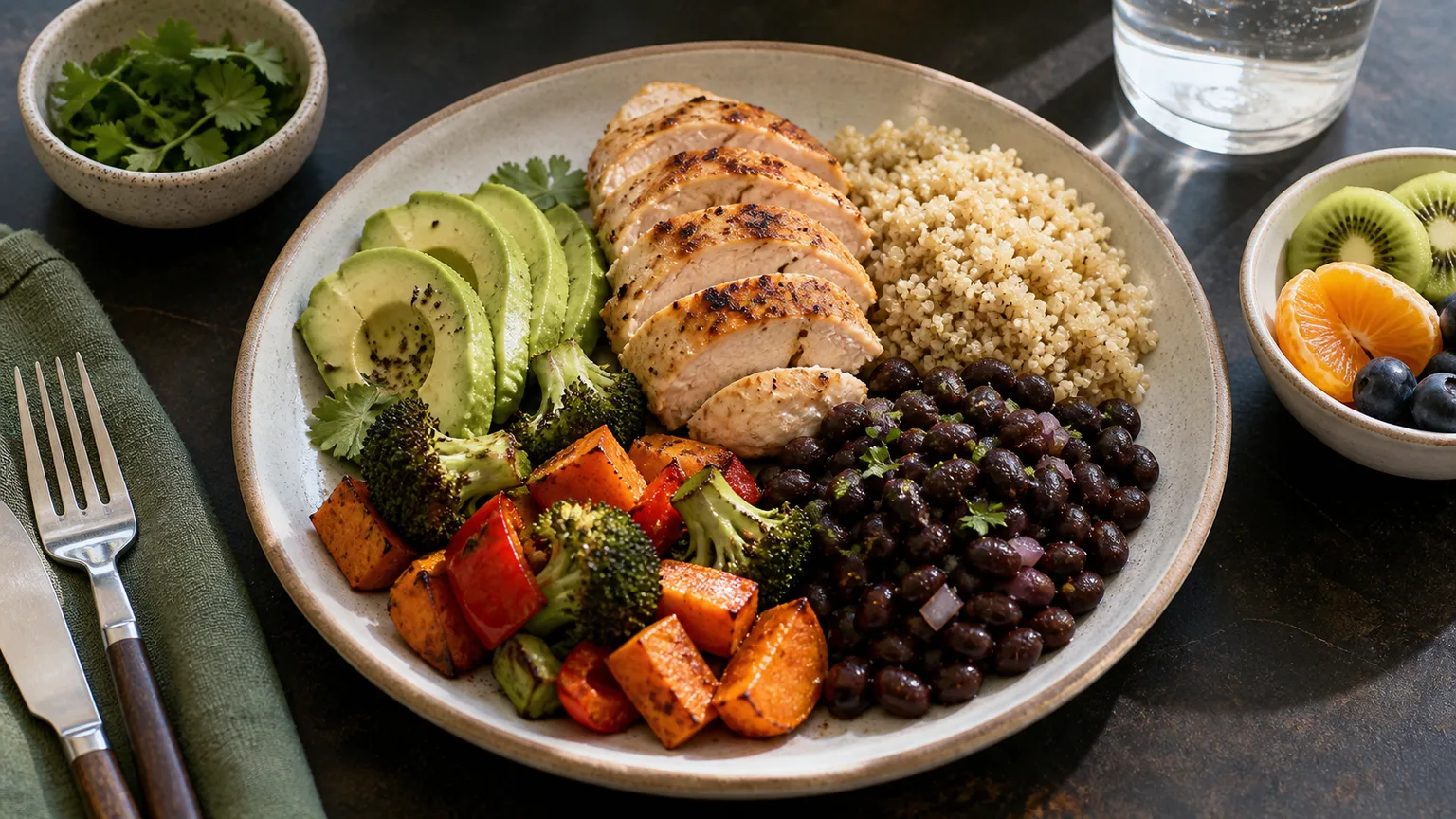
How to Build a Balanced Plate With Simple Foods
Nutrition & Diet
2026-05-13
A balanced plate can be built from familiar foods by combining protein, fiber-rich carbohydrates, vegetables or fruit, and satisfying fats in realistic portions.
Nutrition & Diet Library
Practical nutrition guidance focused on balanced meals, food labels, grocery habits, fiber, caffeine, snacks, and sustainable routines.
2026-05-13
A balanced plate can be built from familiar foods by combining protein, fiber-rich carbohydrates, vegetables or fruit, and satisfying fats in realistic portions.
2026-05-12
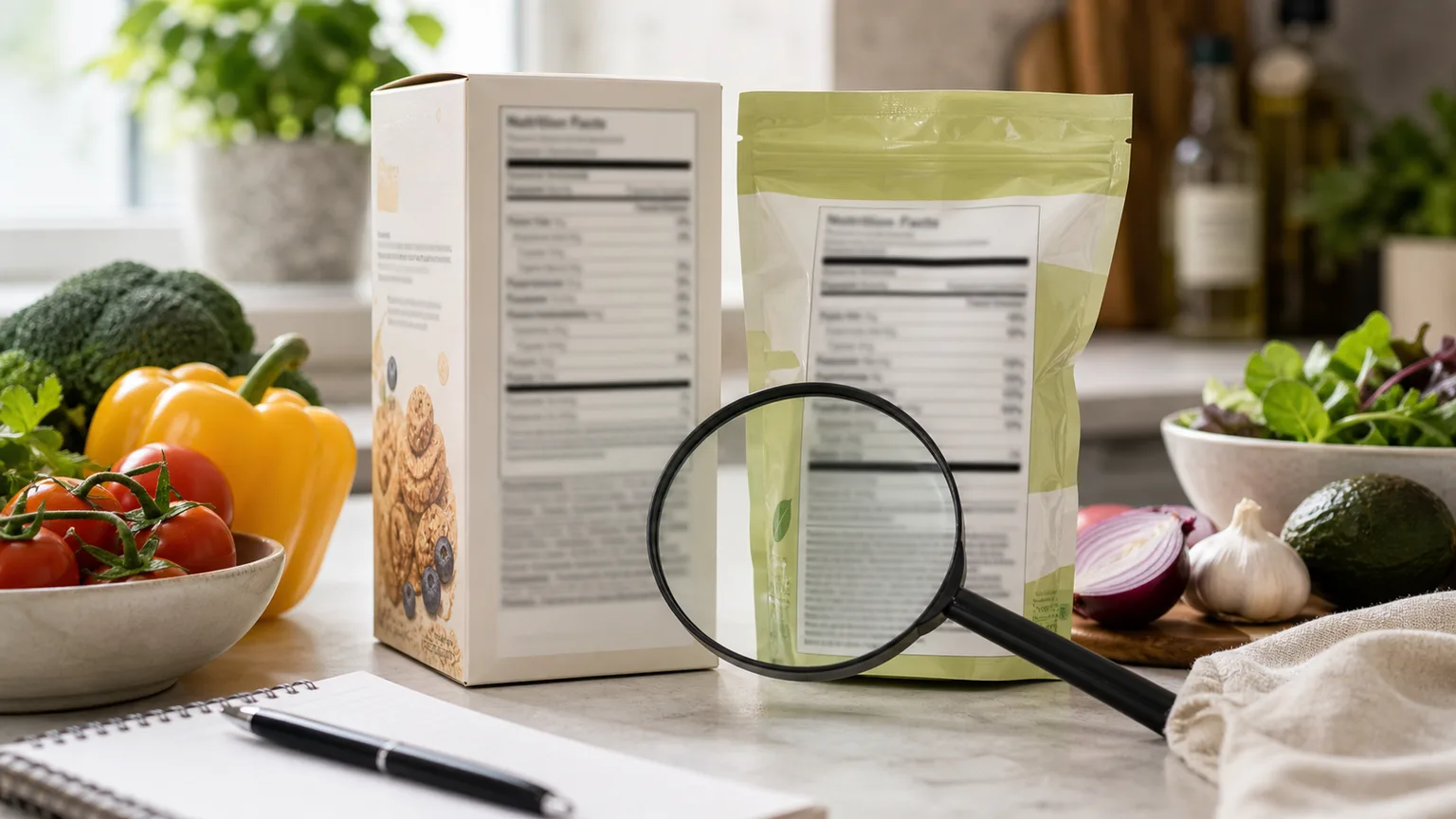
Food labels can help compare products, but they do not tell the full story of a meal, diet pattern, or personal nutrition needs.
2026-05-11
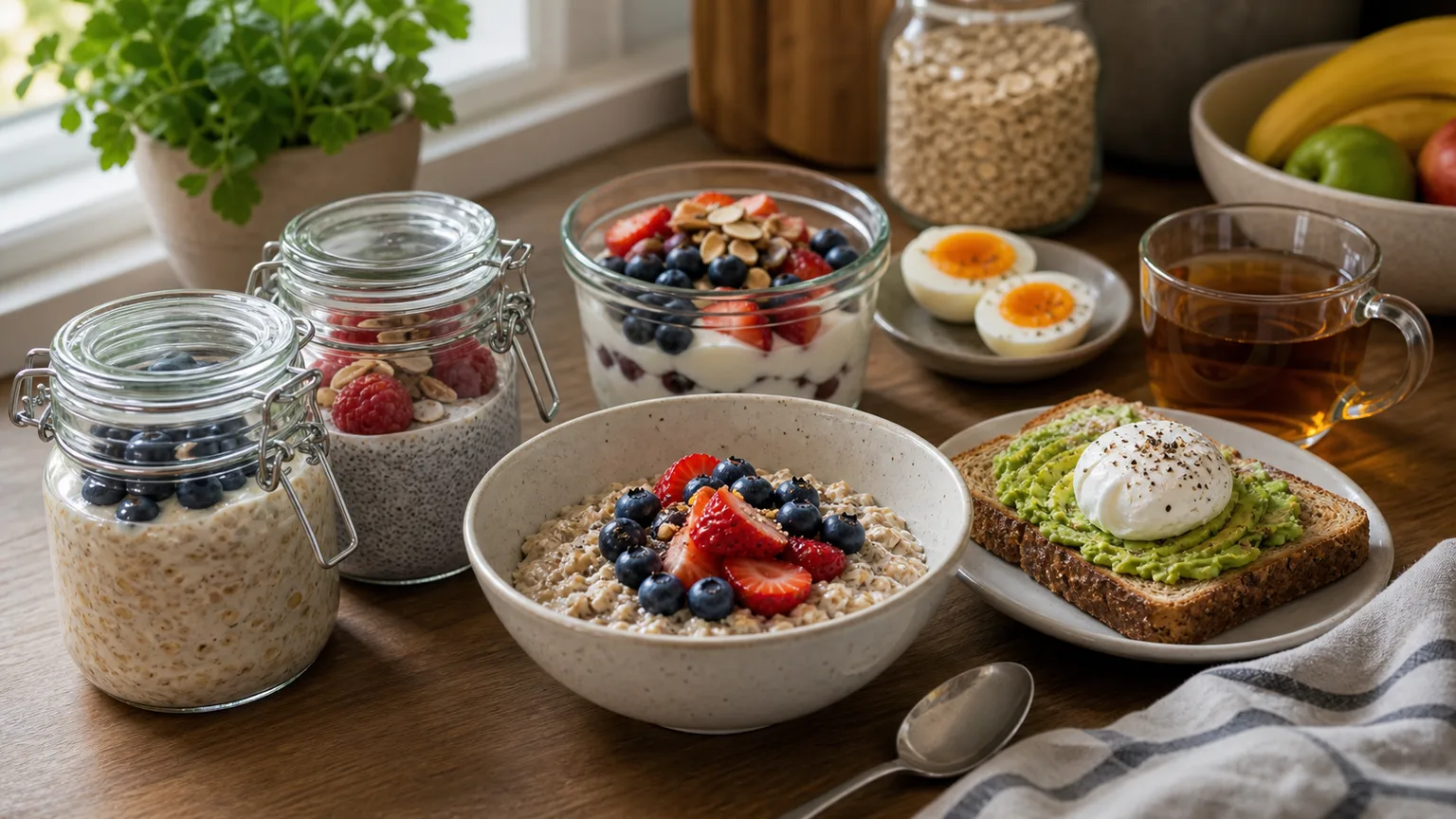
Breakfasts that combine protein, fiber, and practical preparation can help readers avoid rushed choices and support steadier morning energy.
2026-05-10
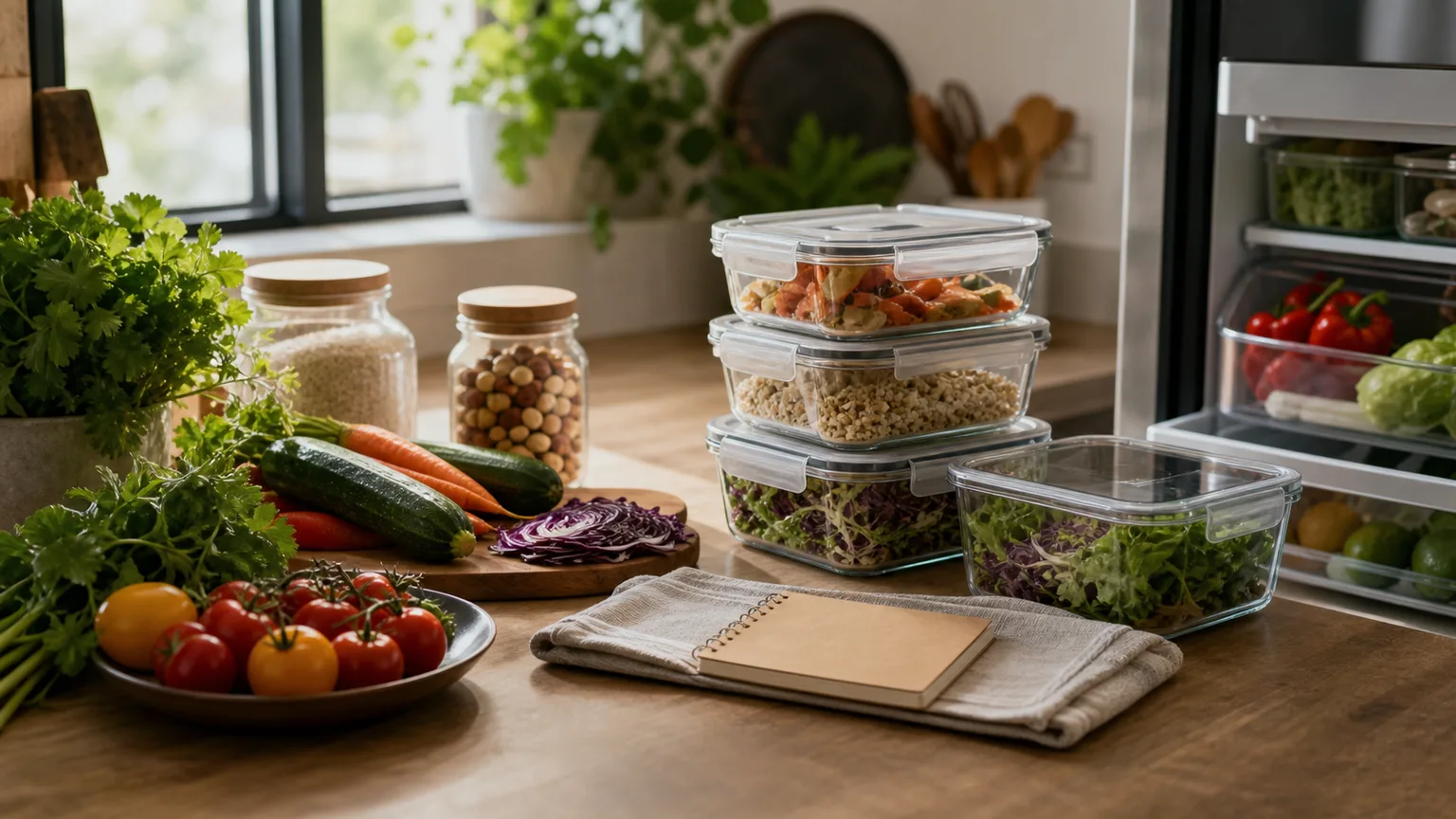
A weekly kitchen rhythm can reduce waste by matching shopping, storage, meal planning, and leftovers to the way a household actually eats.
2026-05-09
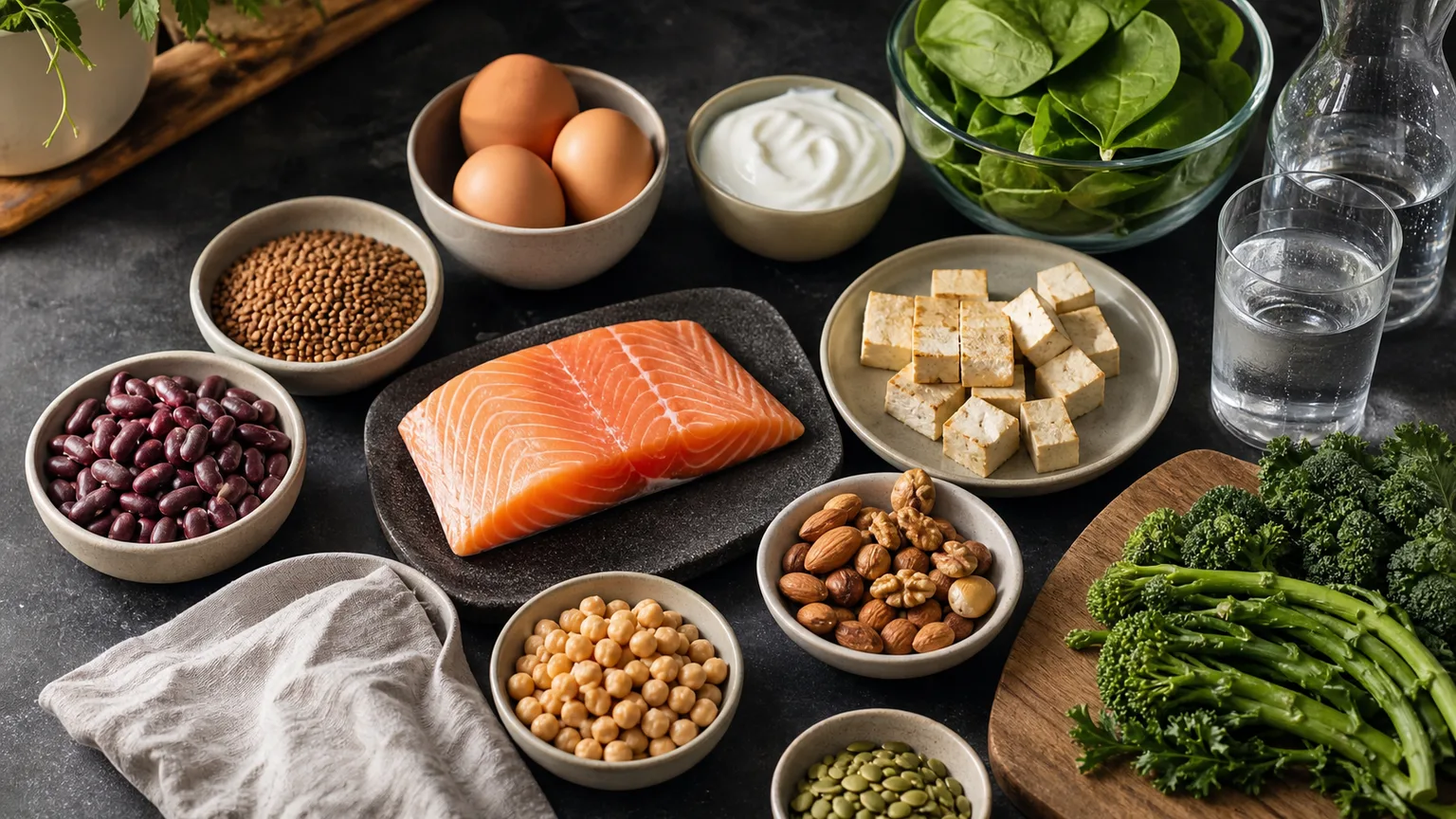
Higher-protein eating patterns may be useful for some goals, but readers should consider total diet quality, kidney concerns, fiber, hydration, and professional guidance.
2026-05-08
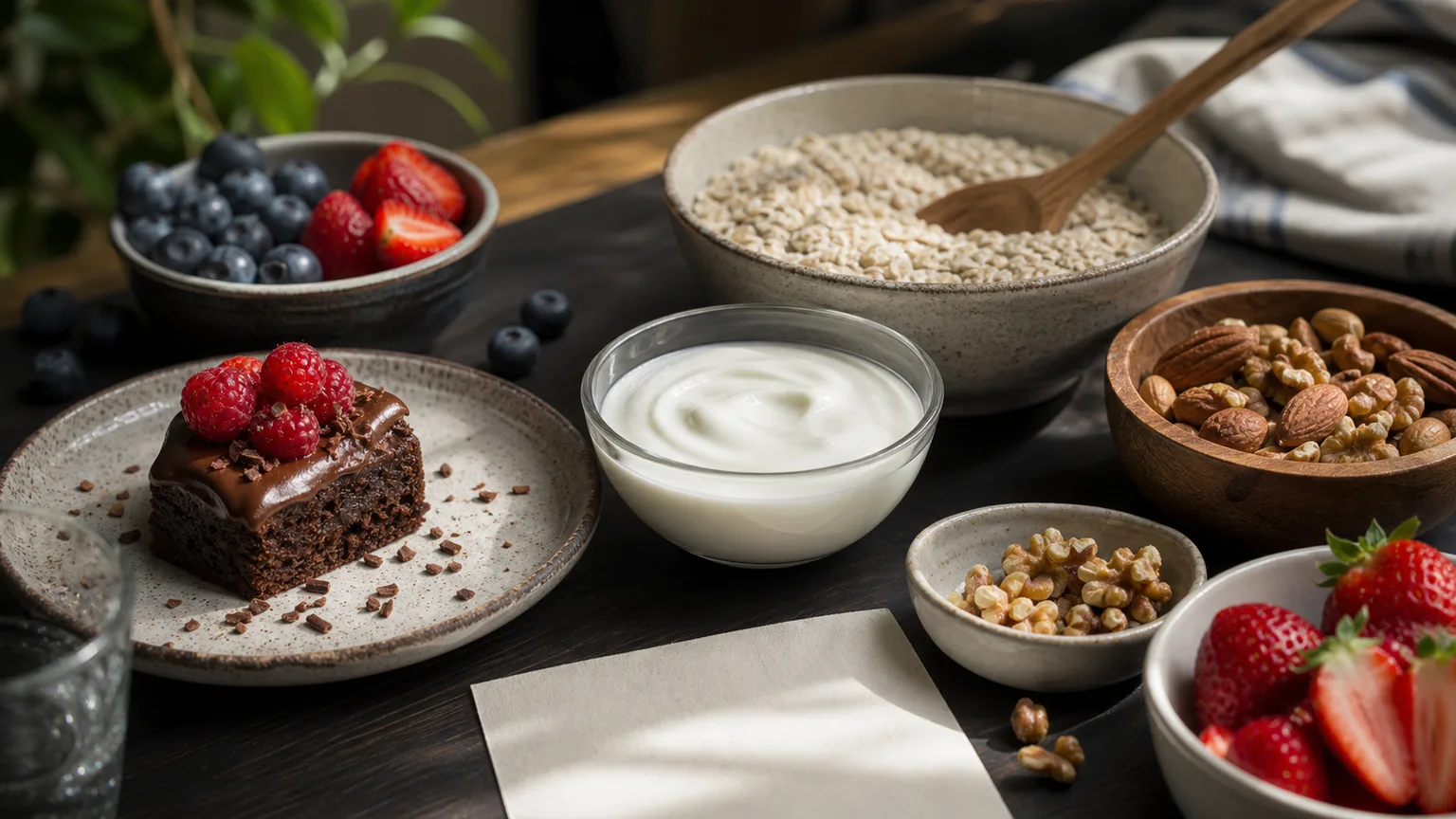
A balanced view of sugar considers added sugars, overall eating patterns, cravings, labels, medical needs, and the role of enjoyment in sustainable nutrition.
2026-05-07
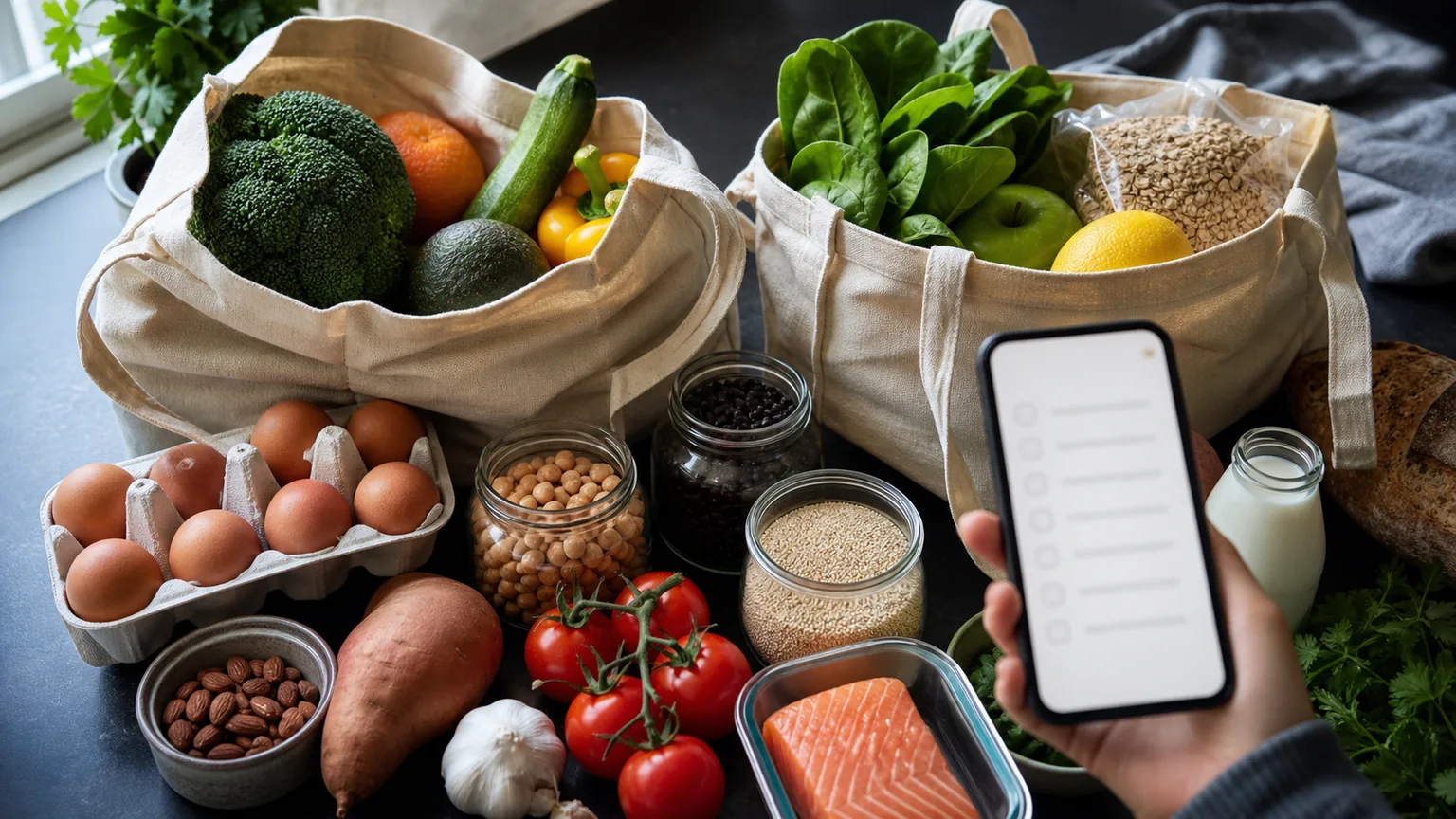
A balanced grocery list is easier when readers plan flexible meals around protein, fiber, produce, pantry staples, and realistic cooking time.
2026-05-06
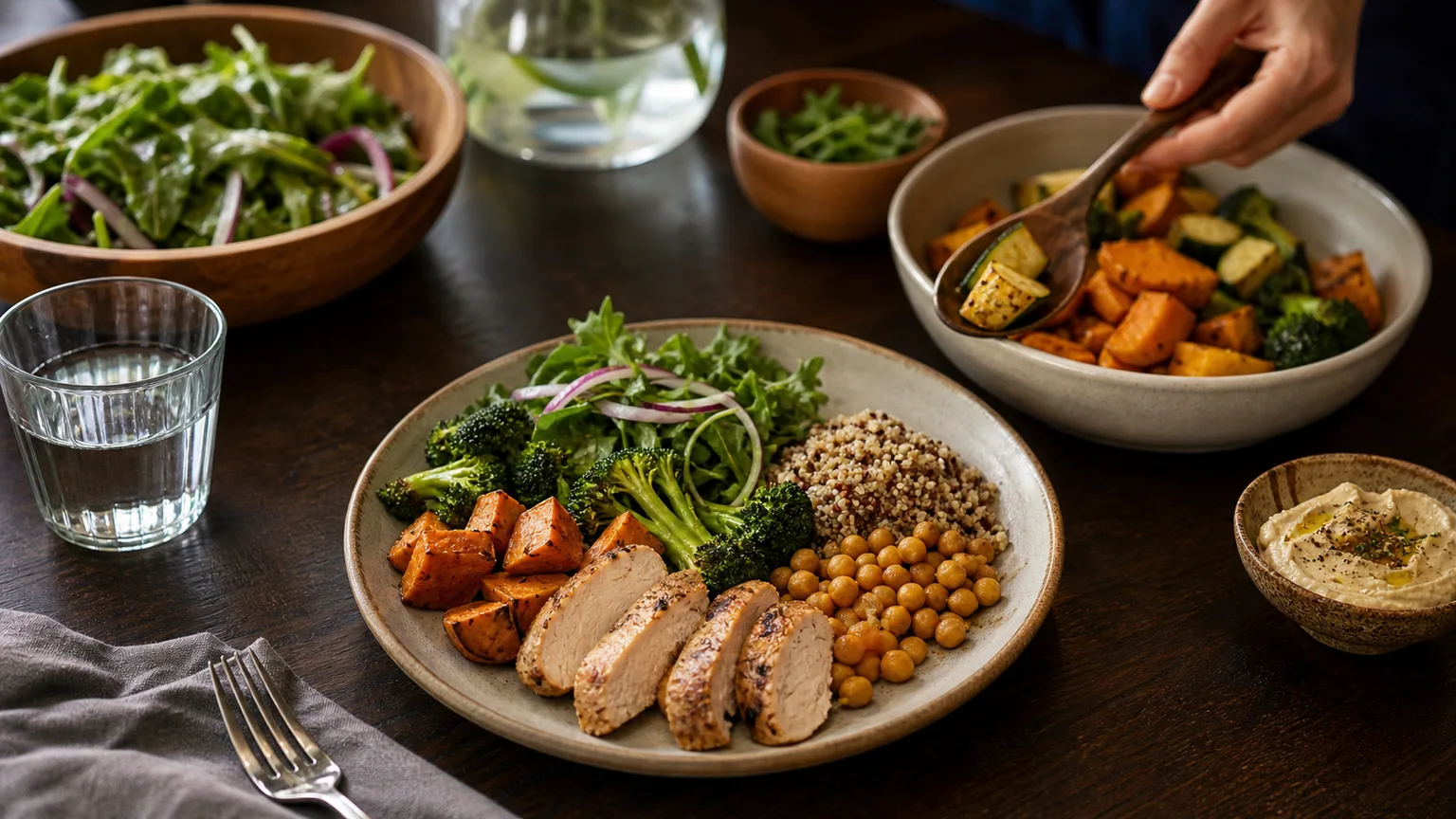
Portion awareness can help readers understand meals without turning eating into rigid counting or all-or-nothing rules.
2026-05-05
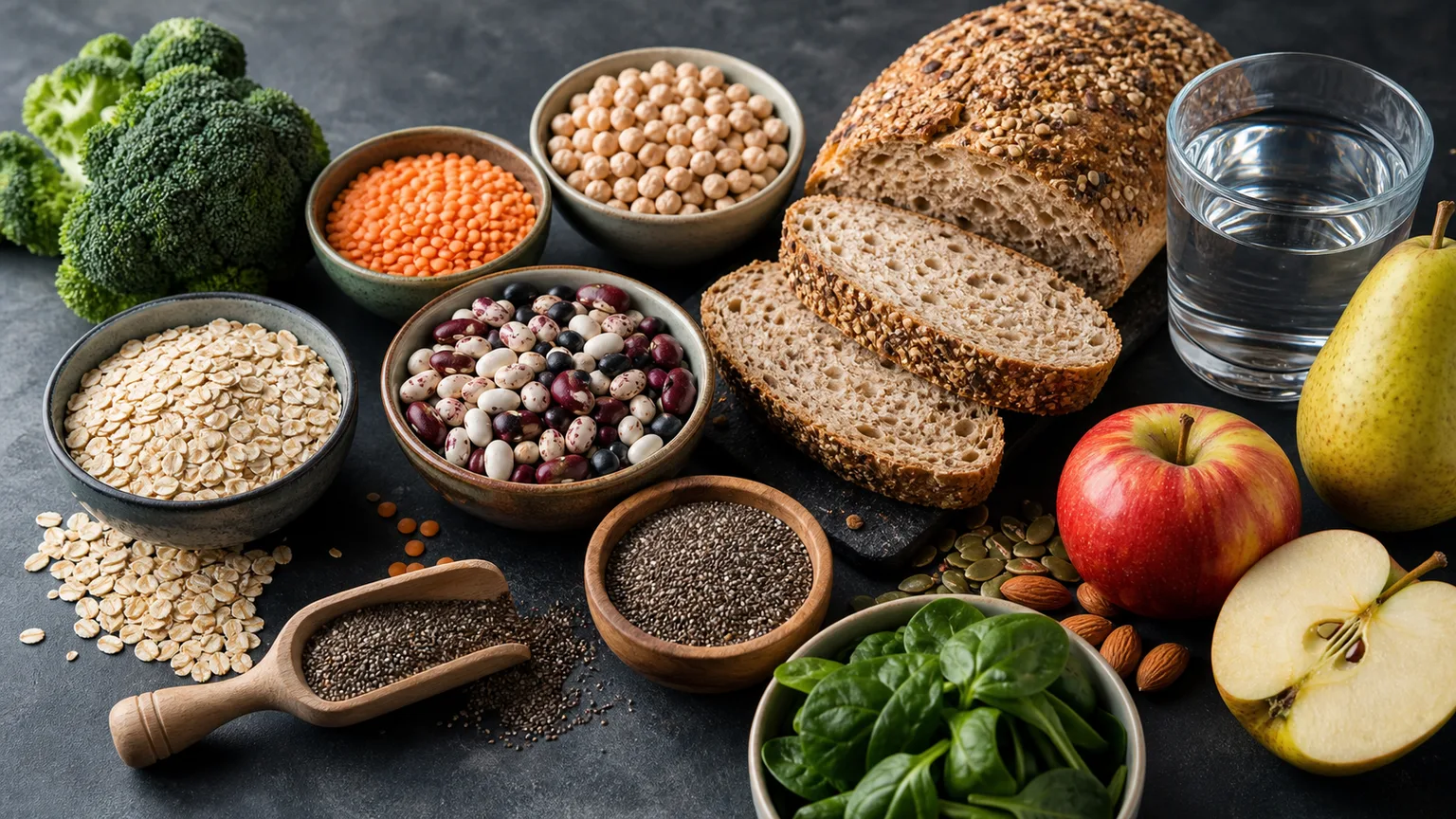
Readers can increase fiber gradually with beans, whole grains, fruits, vegetables, nuts, seeds, and enough fluids.
2026-05-04
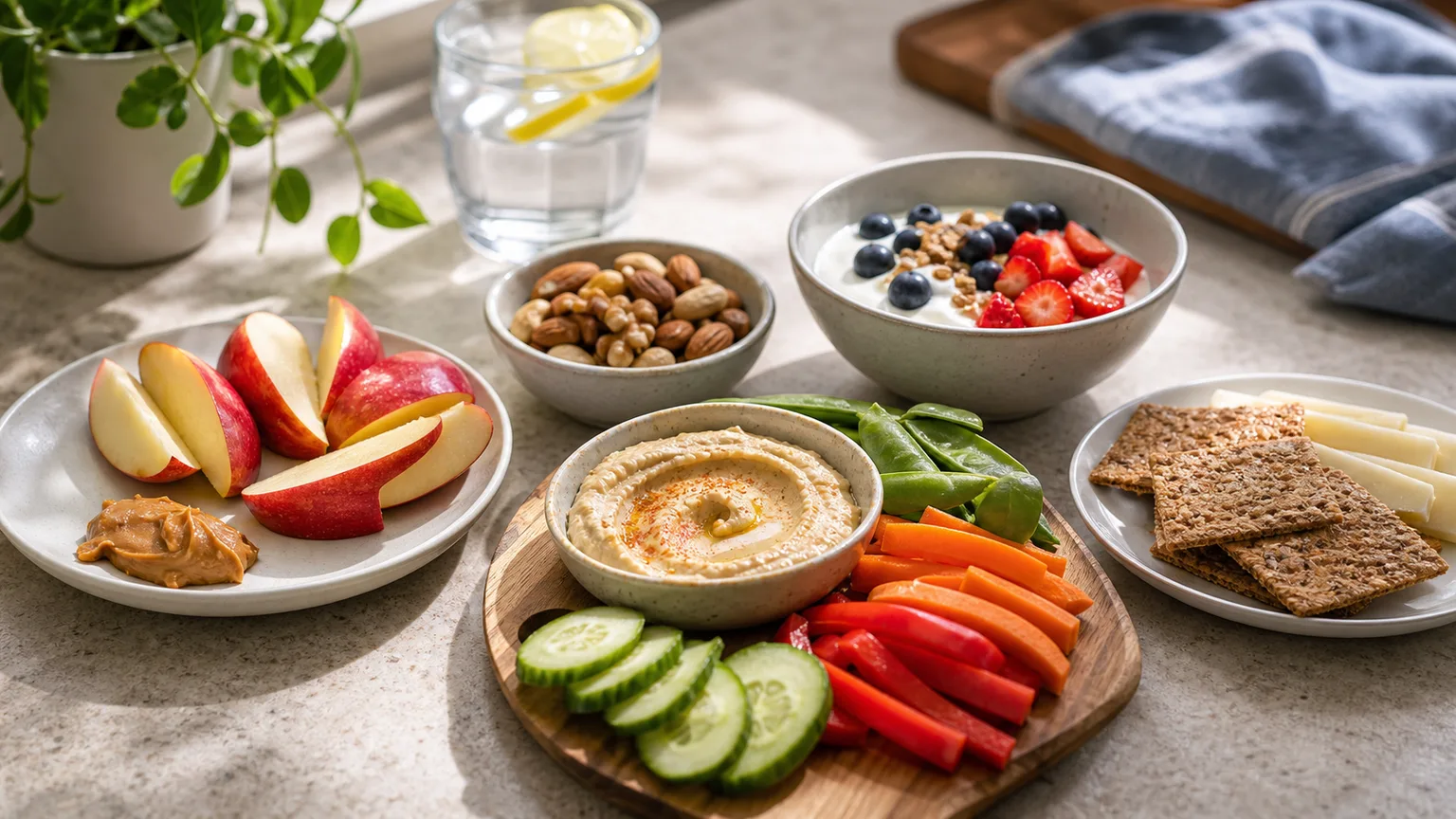
Snacks can support energy and appetite when they include satisfying nutrients and fit the reader's actual schedule.
2026-05-03
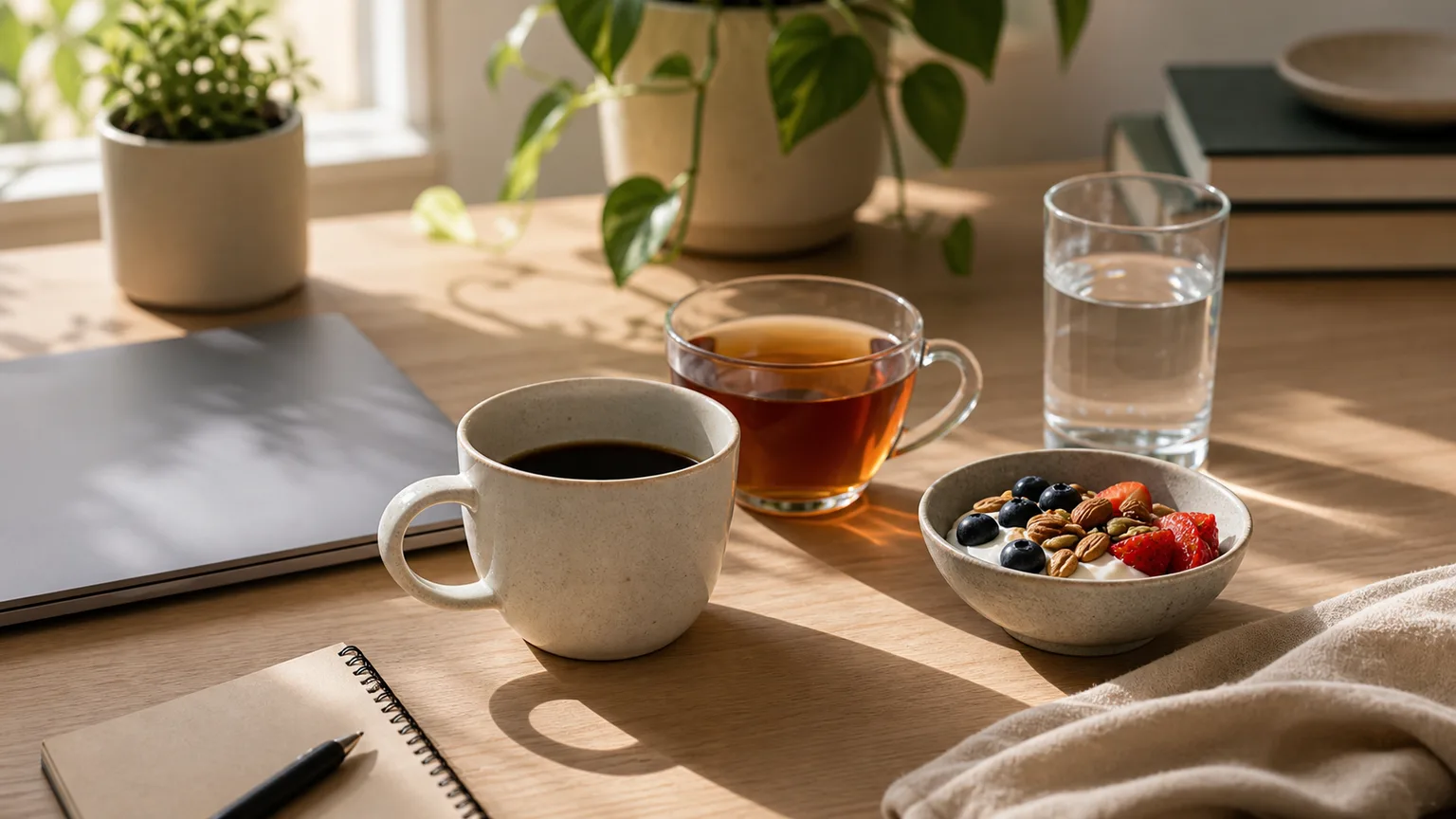
Caffeine can support alertness for some readers, but timing, tolerance, sleep, anxiety, medications, and total intake matter.
We use cookies to support site functionality, understand readership, and improve the experience of our publication. By clicking "Accept All", you consent to our use of cookies. Cookie Policy